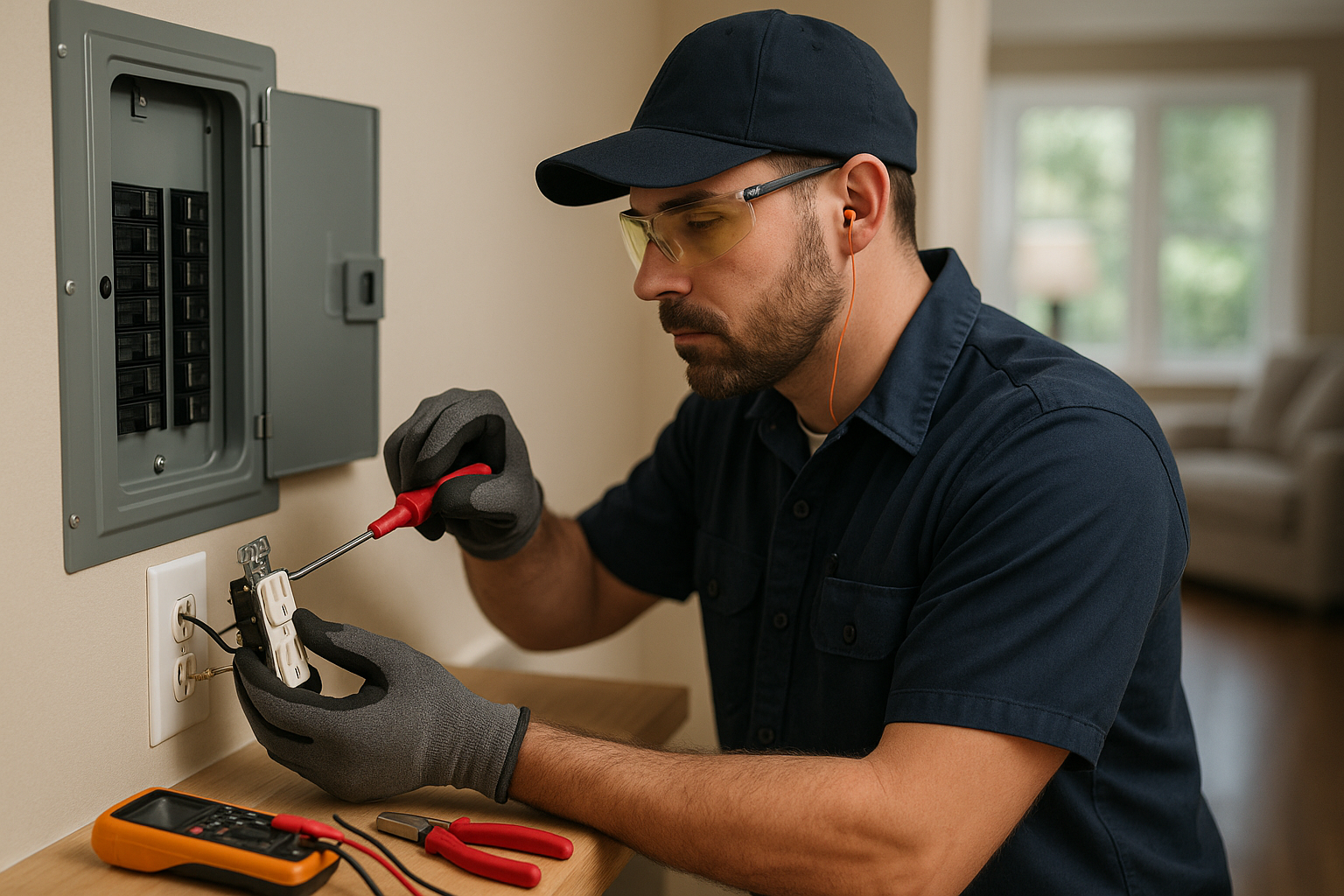
How to Prevent Moisture Damage to Electrical Wiring in Humid Climates
To prevent moisture damage electrical wiring humid climates require, focus on proper sealing, adequate ventilation, and regular inspections. Use weatherproof electrical boxes, ensure proper grounding, maintain dehumidification in enclosed spaces, and schedule professional evaluations to catch potential issues before they become costly problems.
Understanding Moisture Risks in Augusta's Climate
Augusta's hot, humid summers with average July highs around 92°F create ideal conditions for moisture-related electrical problems. The combination of high humidity year-round and frequent afternoon thunderstorms increases the risk of water infiltration into electrical systems, particularly in crawl spaces and basements where moisture tends to accumulate.
Moisture damage to electrical wiring can lead to corrosion, short circuits, and dangerous electrical fires. In neighborhoods like Hill Acres and Forest Hills, older homes may be especially vulnerable due to aging electrical infrastructure that wasn't designed with modern moisture protection standards.
Essential Moisture Prevention Strategies
Proper Electrical Box Selection and Installation
Weatherproof electrical boxes are your first line of defense against moisture intrusion. These specialized enclosures feature gaskets and sealing mechanisms that prevent water from reaching sensitive electrical connections. For outdoor installations and areas prone to moisture exposure, NEMA-rated enclosures provide superior protection.
Ventilation and Air Circulation
Adequate ventilation is crucial to prevent moisture damage electrical wiring humid conditions can cause. Install exhaust fans in bathrooms, kitchens, and laundry rooms to remove excess humidity. Ensure crawl spaces and basements have proper ventilation systems to maintain air circulation and reduce moisture buildup.
Dehumidifiers can be particularly effective in enclosed spaces where natural ventilation is limited. Maintaining humidity levels below 60% significantly reduces the risk of condensation on electrical components.
Grounding and GFCI Protection
Proper grounding systems and Ground Fault Circuit Interrupter (GFCI) outlets provide essential safety measures in humid environments. GFCIs detect moisture-related electrical faults and immediately shut off power to prevent electrocution and fire hazards. These devices are especially important in areas like basements, bathrooms, and outdoor locations.
Regular Maintenance and Inspection
Schedule annual electrical inspections to identify potential moisture issues before they escalate. Professional electricians can detect early signs of corrosion, loose connections, and insulation degradation that may not be visible to homeowners.
During inspections, pay special attention to areas where moisture is most likely to accumulate, including crawl spaces, basements, and areas near plumbing fixtures. Look for signs of water damage, rust on electrical components, or musty odors that indicate moisture problems.
Sealing and Weatherproofing
Seal all penetrations where electrical wiring enters or exits your home. Use appropriate caulking materials around electrical boxes, conduit entries, and service panels. This prevents water from following wiring paths into your home's interior.
Apply dielectric grease to outdoor connections and exposed terminals to create a moisture barrier that prevents corrosion. This simple step can significantly extend the life of outdoor electrical components.
When to Call Professional Help
While homeowners can implement basic moisture prevention measures, complex electrical work should always be handled by licensed professionals. If you notice flickering lights, frequent circuit breaker trips, or burning odors, contact a qualified electrician immediately.
Professional electricians have the expertise to properly install moisture-resistant wiring systems, upgrade electrical panels to meet current codes, and implement comprehensive moisture protection strategies tailored to your specific situation.
In areas like West Augusta, where older homes may require electrical system upgrades, professional assessment is essential to ensure your wiring can handle both current electrical demands and moisture protection requirements.
Cost Considerations and Prevention Benefits
Investing in moisture prevention measures typically costs between $500-$2,000 depending on the scope of work needed. This investment is minimal compared to the potential costs of moisture damage, which can range from $3,000-$15,000 for major electrical system repairs or fire damage restoration.
Regular maintenance and proactive moisture prevention not only protect your electrical system but also help maintain your home's value and ensure family safety. The peace of mind that comes with a properly protected electrical system is invaluable, especially during Augusta's intense summer storms.
Frequently Asked Questions
- How often should I inspect my electrical system for moisture damage in Augusta's humid climate?
- Inspect your electrical system at least twice yearly, preferably before and after summer storm season. Professional inspections should occur annually to catch issues early.
- What are the warning signs of moisture damage to electrical wiring?
- Watch for flickering lights, frequent breaker trips, burning odors, rust on electrical components, and discolored outlets or switches. These indicate potential moisture-related electrical problems.
- Can I install weatherproof electrical boxes myself?
- While some basic weatherproof installations may be DIY-friendly, complex electrical work should be handled by licensed professionals to ensure safety and code compliance.
- How much does professional moisture protection for electrical systems cost?
- Professional moisture protection typically ranges from $500-$2,000 depending on your home's size and specific needs. This investment prevents much costlier damage repairs.
- Do GFCI outlets really help prevent moisture-related electrical problems?
- Yes, GFCI outlets detect moisture-related electrical faults and immediately shut off power, preventing electrocution and fire hazards. They're essential in humid environments.
About the author: David Whitaker, Editorial Lead, Premier Augusta Electrician. David has spent over a decade researching electrical systems and safety practices, helping Augusta homeowners understand complex wiring projects and code requirements. His background in technical writing and consumer advocacy has made him a trusted voice for navigating electrical installations and repairs. David is passionate about connecting residents with qualified local electricians who prioritize safety and quality workmanship.
More electrician guides for Augusta
Need electrician help in Augusta?
Get matched with a vetted local pro — free, no obligation.